
Styes: What They Are and How to Handle Them from an Optometrist Near You in New York, NY
A stye is one of those eye problems that shows up quickly and can make a big impact despite its small size. It’s uncomfortable, it’s noticeable, and it can be a real nuisance. The good news is, at Miles & Tisch Eyecare, your eye doctor in New York, NY, we see styes often and are here to help patients understand what they are, what causes them, and how to treat them safely. Dr. Craig Tisch and Dr. Preeti Minhas are here to help.
What Is a Stye?
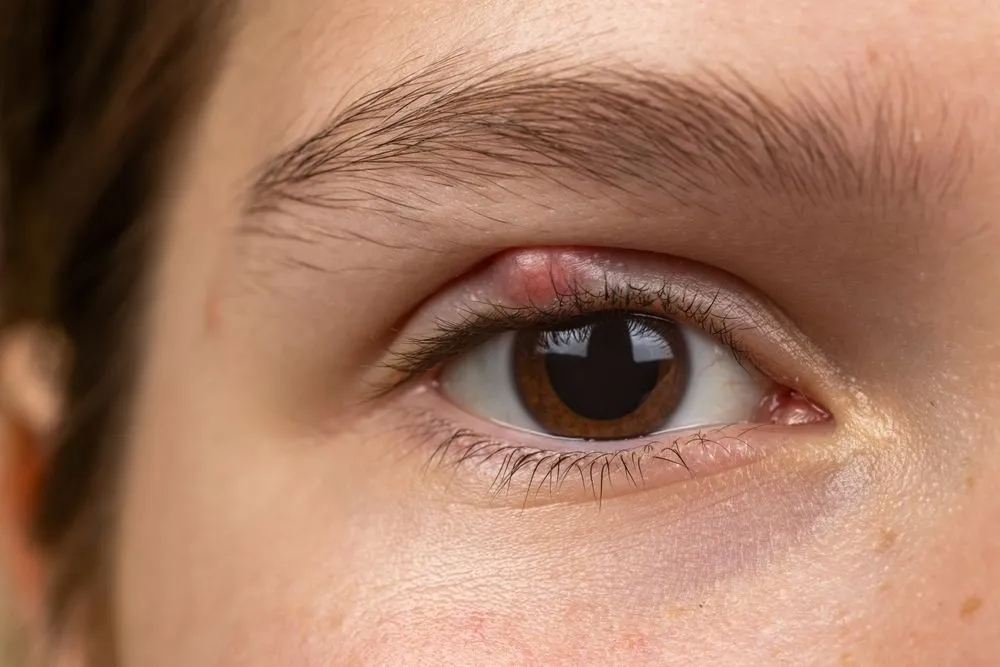
A stye is a red, swollen bump that forms along the edge of the eyelid. It’s usually caused by a blocked or infected oil gland, often near the base of an eyelash. In medical terms, it’s a localized infection—typically bacterial—that builds up in one of the small glands that line the eyelid.
There are two main types:
• External stye: Forms on the outside edge of the eyelid, often around a hair follicle.
• Internal stye: Develops inside the eyelid, usually from a blocked meibomian gland.
Most styes are harmless and go away within a week, but they can be painful and look like a small pimple or boil.
Common Symptoms
A stye usually starts with tenderness or swelling, then develops into a visible bump. You may notice:
• Redness around the eyelid
• A feeling like there’s something in your eye
• Sensitivity to light
• Tearing or watery eyes
• Crusting along the lash line
What Causes a Stye?
Styes are most often caused by Staphylococcus bacteria, which are naturally present on the skin. They become a problem when:
• Oil glands get blocked
• Hands touch the eyes frequently without being clean
• Old or contaminated makeup is used
• Eyelids are not cleaned regularly
People with chronic blepharitis, rosacea, or oily skin may also be more prone to developing styes.
Treatment Options
In most cases, a stye doesn’t need antibiotics or special medications. Here’s what we usually recommend:
• Warm compresses: Apply for 10–15 minutes, three to four times a day. This helps the gland drain naturally.
• Keep the area clean: Gently wipe away discharge with a clean, damp cloth. Avoid rubbing the eyes.
• Don’t squeeze it: Popping or pressing a stye can spread the infection.
• Skip makeup and contacts: Until the stye clears up, let your eyes rest.
If the stye doesn’t improve in a week, becomes very painful, or affects your vision, it’s time to see an eye doctor. We may need to drain it professionally or prescribe treatment if there’s a deeper infection.
Get Eye Care and Eye Exams from an Optometrist / Eye Doctor Near You
Styes are common, but they’re still a sign that your eyes need a little attention. At Miles & Tisch Eyecare, your eye doctor in New York, NY, we take these small irritations seriously because comfort and eye health go hand in hand. If a stye is slowing you down, we’re here to help you clear it up. Call us at (212) 765-2660 for eye care and eye exams from an optometrist / eye doctor near you. Dr. Craig Tisch and Dr. Preeti Minhas are here to help.